Burger King Allergen Menu (2026 Guide)
Gluten-Free, Dairy-Free & Allergy-Aware Choices for Safer Ordering
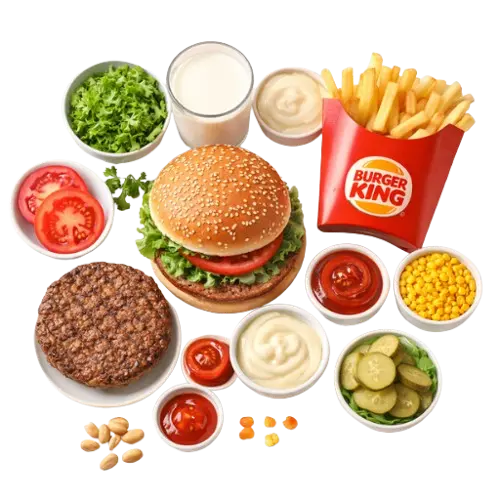
The Burger King allergen menu helps customers understand which common food allergens may be present in Burger King menu items before ordering. Because Burger King prepares food in shared kitchens, checking allergen information is essential for anyone with food allergies or sensitivities.
In 2026, Burger King continues to provide official allergen and ingredient information covering major allergens such as milk, eggs, wheat, soy, peanuts, tree nuts, fish, and sesame. Whether you are managing a dairy allergy, avoiding gluten, or reducing allergy risk for your family, reviewing the Burger King allergen menu allows you to make safer and more informed choices.
This guide breaks down Burger King allergen information by menu category, explains common allergens used across items, highlights cross-contact risks, and shares practical ordering tips to help you dine more confidently.
⚠️ Important: Burger King does not operate allergen-free kitchens. Ingredients and preparation methods may vary by location.
Download Burger King Allergen Menu PDF (2026)
Looking for a quick, printable allergen guide?
The Burger King Allergen Menu PDF helps you instantly check milk, egg, wheat, soy, sesame, and other allergens across burgers, chicken items, breakfast foods, sides, and desserts — all in one easy file.
Before ordering larger combo meals or family bundles, checking active Burger King coupons 2026 may help lower the total order cost.
This PDF is helpful for:
- Meal planning
- Safe ordering
- On-the-go reference
- Parents managing food allergies
What Is the Burger King Allergen Menu?
The Burger King allergen menu is an official reference guide that lists common food allergens found in Burger King menu items based on ingredients and standard preparation methods.
Because Burger King prepares food using shared grills, prep surfaces, and fryers, allergen cross-contact can occur even if an item does not directly contain a specific allergen. For this reason, the allergen menu focuses on ingredient transparency, not allergen-free guarantees.
Key Points About Burger King Allergen Information
- Allergen details are based on standard recipes
- Cross-contact is possible due to shared equipment
- Customizations may change allergen exposure
- Ingredients and availability can vary by location
Common Allergens at Burger King
Many Burger King menu items contain one or more common food allergens.
Most Common Allergens Found at Burger King
Milk (Dairy)
Found in cheese, creamy sauces, desserts, and breakfast items.
Eggs
Used in breakfast sandwiches, mayonnaise, and some sauces.
Wheat (Gluten)
Present in buns, breaded chicken items, wraps, and some sides.
Soy
Common in buns, sauces, breading, and processed ingredients.
Sesame
May be present in burger buns and bread products.
Peanuts & Tree Nuts
Not widely used as direct ingredients, but cross-contact risk may exist due to suppliers and shared facilities.
⚠️ Allergen Safety Note: Burger King kitchens are shared environments. Customers with severe allergies should always consult staff before ordering.
Ingredient handling and preparation may differ slightly at individual Burger King locations, so it’s always best to confirm allergen details before ordering.
Burger King Allergen Menu by Category (2026)
⚠️ Important: All menu items are prepared in shared kitchens. Even if an allergen is not listed as an ingredient, cross-contact may occur.
Flame-Grilled Burgers – Allergen Information
| Burger Item | Milk | Egg | Wheat | Soy | Sesame |
|---|---|---|---|---|---|
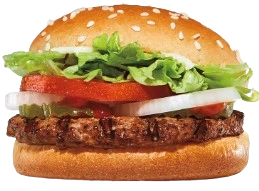
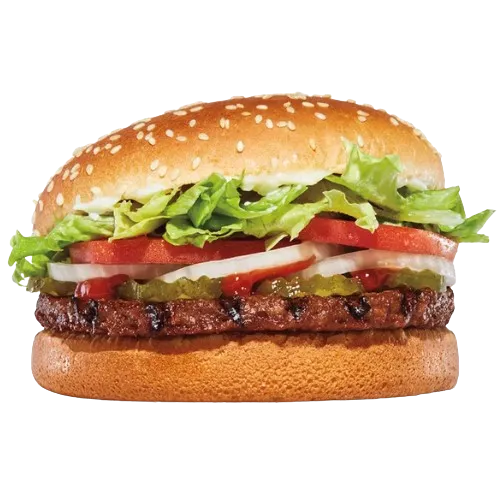
| Whopper | ❌ | ✅ | ✅ | ✅ | ✅ |
| Whopper Jr. | ❌ | ✅ | ✅ | ✅ | ✅ |
| Double Whopper | ❌ | ✅ | ✅ | ✅ | ✅ |
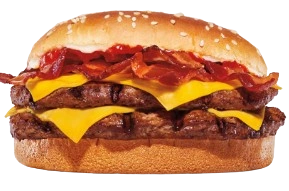
| Bacon King | ✅ | ✅ | ✅ | ✅ | ✅ |
Allergen Tip:
Removing cheese or mayonnaise may reduce dairy or egg exposure, but wheat buns and shared grills still pose risk.
Chicken & Fish Items – Allergen Information
| Item | Milk | Egg | Wheat | Soy |
|---|---|---|---|---|
| Chicken Nuggets | ⚠️ | ❌ | ✅ | ⚠️ |
| Chicken Fries | ⚠️ | ❌ | ✅ | ⚠️ |
| Crispy Chicken Sandwich | ✅ | ✅ | ✅ | ✅ |
| Big Fish Sandwich | ⚠️ | ✅ | ✅ | ✅ |
Burger King Breakfast – Allergen Information
Breakfast items carry the highest allergen risk.
| Breakfast Item | Milk | Egg | Wheat | Soy |
|---|---|---|---|---|
| Croissan’wich | ✅ | ✅ | ✅ | ✅ |
| Breakfast Burrito | ✅ | ✅ | ✅ | ✅ |
| French Toast Sticks | ⚠️ | ❌ | ✅ | ✅ |
| Hash Browns | ❌ | ❌ | ✅ | ✅ |
⚠️ Egg Allergy Alert:
Most breakfast items contain eggs or are prepared on shared breakfast equipment.
Because breakfast items contain the highest number of allergens, reviewing the full Burger King breakfast menu can help customers compare ingredients, sandwiches, coffee drinks, and safer morning meal options before ordering.
Sides & Snacks – Allergen Information
| Side Item | Milk | Wheat | Soy | Shared Fryer |
|---|---|---|---|---|
| French Fries | ❌ | ⚠️ | ❌ | ⚠️ |
| Onion Rings | ⚠️ | ✅ | ⚠️ | ⚠️ |
| Mozzarella Fries | ✅ | ✅ | ✅ | ⚠️ |
Shared fryers increase the risk for wheat and dairy cross-contact.
Burger King Allergen-Friendly & Lower-Risk Options
Burger King is not an allergen-free restaurant, but some menu items have simpler ingredient profiles and fewer allergens.
Reviewing the Burger King nutrition guide can also help compare calories, sodium, sauces, and ingredient-heavy menu items before ordering.
Dairy (Milk) Sensitivity
Lower-risk options:
- French fries (shared fryer risk)
- Plain beef patty
- Black coffee or soft drinks
Removing cheese and creamy sauces can reduce milk exposure, but cross-contact is still possible.
Wheat / Gluten Sensitivity
Burger King does not offer certified gluten-free items.
Items without wheat ingredients:
- Beef patties (no bun)
- French fries (shared fryer risk)
❌ Not safe for celiac disease due to high cross-contact risk.
Egg Allergy
Eggs are mainly present in breakfast items and mayonnaise.
Lower-risk non-breakfast options:
- Plain burgers without mayo
- Fries
- Chicken items without sauces
Avoid breakfast sandwiches and burritos.
Peanut & Nut Allergy
Peanuts and tree nuts are not widely used as direct ingredients, but desserts and seasonal items may vary. Supplier cross-contact is possible, so always review allergen information before ordering.
How to Customize Burger King Orders for Allergies
Customization can help reduce allergen exposure, but it does not eliminate risk.
Common Allergy-Aware Customizations
Remove Dairy Ingredients
- No cheese
- No creamy sauces
- No mayo
Avoid Wheat Ingredients
- Skip buns
- Avoid breaded items
- Choose plain patties
Simple Orders Work Best
- Plain burgers
- Fewer toppings
- No extra sauces
⚠️ Customization Limitations
- Staff cannot guarantee allergen-free preparation
- Shared grills and fryers remain a risk
- Added toppings may reintroduce allergens
Shared Equipment & Cross-Contact Warning
Burger King uses shared grills, prep surfaces, and fryers. Because of this, allergen cross-contact is always possible. Removing ingredients does not guarantee safety, and severe allergy cases should proceed with caution.
It may also help to check Burger King hours in advance so you can visit during less busy times and speak with staff about allergen concerns.
Burger King Allergen Menu FAQs
Is Burger King safe for people with food allergies?
Burger King is not an allergen-free restaurant. All food is prepared in shared kitchens, increasing cross-contact risk.
Does Burger King provide an official allergen menu?
Yes. Allergen and ingredient information is provided based on standard recipes.
Is Burger King gluten-free?
No. Burger King does not offer certified gluten-free menu items.
Do Burger King fries contain allergens?
Fries do not list major allergens as ingredients but are cooked in shared fryers.
Does the Whopper contain dairy or egg?
It contains egg (from the mayonnaise), but per Burger King’s allergen data the standard Whopper has no milk ingredient unless you add cheese. It also contains wheat, soy, and sesame.
Can allergen information vary by location?
Yes. Ingredients and suppliers may vary by region.
Conclusion:
The Burger King allergen menu helps customers make more informed decisions by clearly identifying common allergens across burgers, chicken items, breakfast foods, and sides. While ingredient transparency and customization options are available, all food is prepared in shared kitchens, meaning allergen cross-contact is always possible.
For mild sensitivities, smart ordering choices such as removing cheese or skipping sauces may help reduce exposure. For severe allergies, reviewing allergen information and consulting restaurant staff before ordering is strongly recommended.